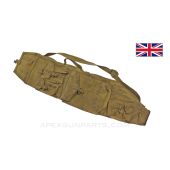
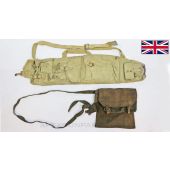
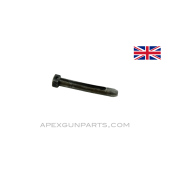
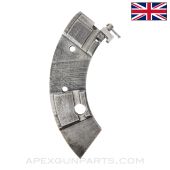
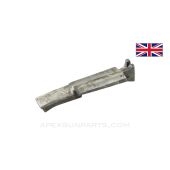
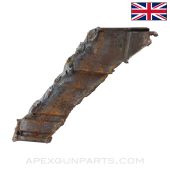
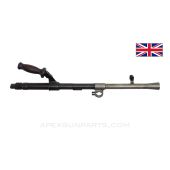
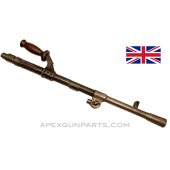
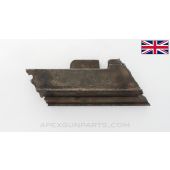
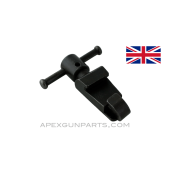
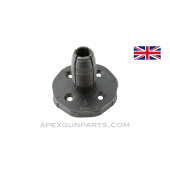
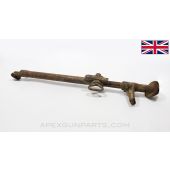
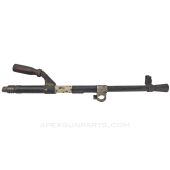
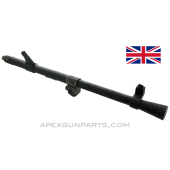
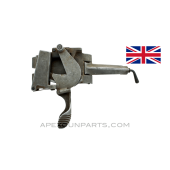
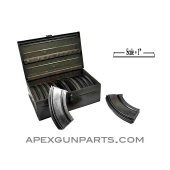
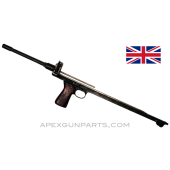
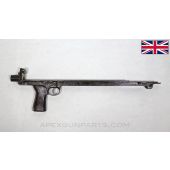
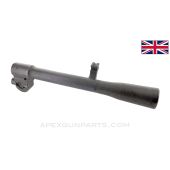
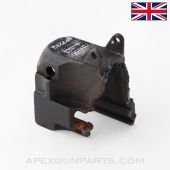
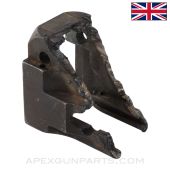
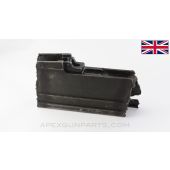
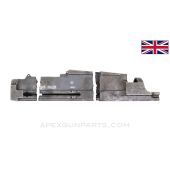
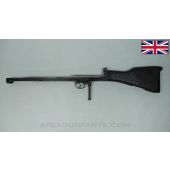
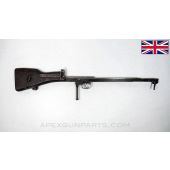
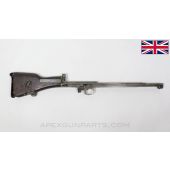
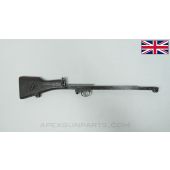
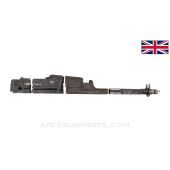
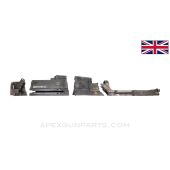
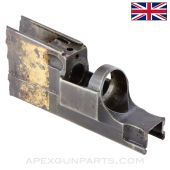
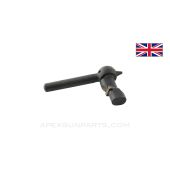
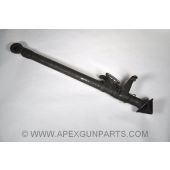
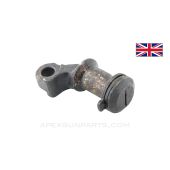
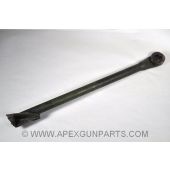
Bren
The Bren Gun: From Brno to Britain’s Front Lines |
|
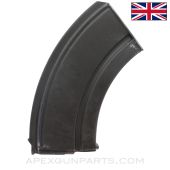
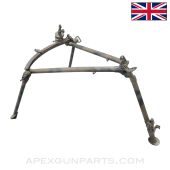
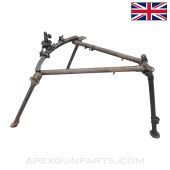
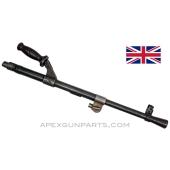
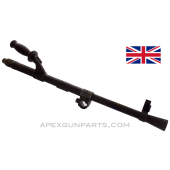
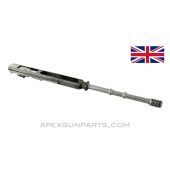
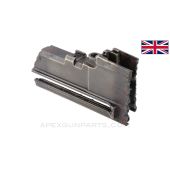
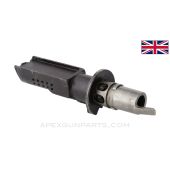
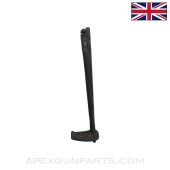
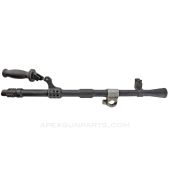
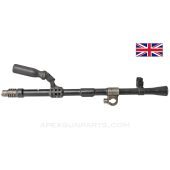
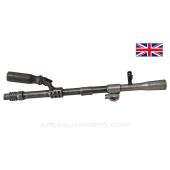
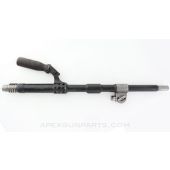
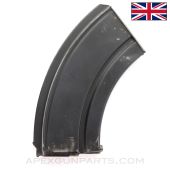
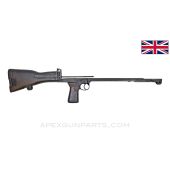
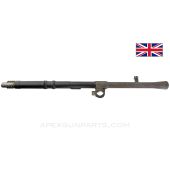
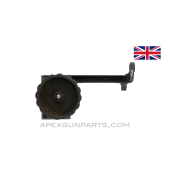
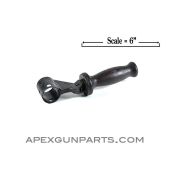
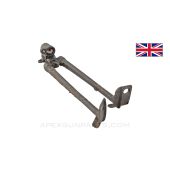
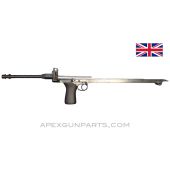
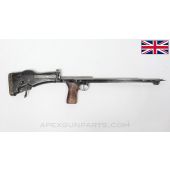
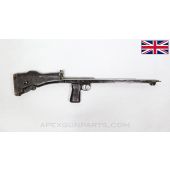
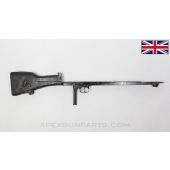
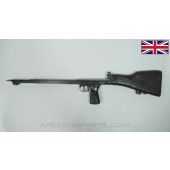
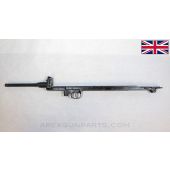
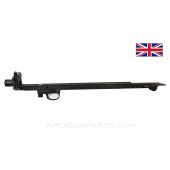
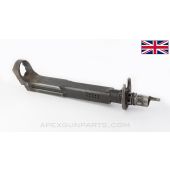
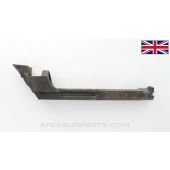
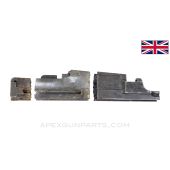
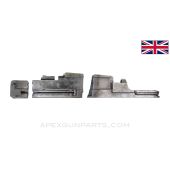
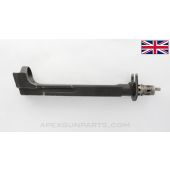
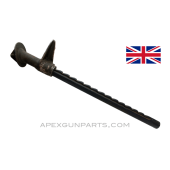
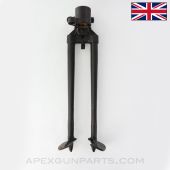
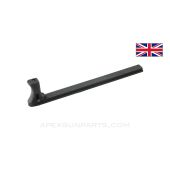
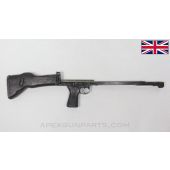
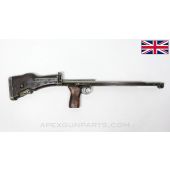
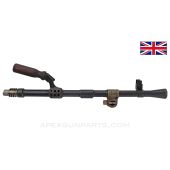
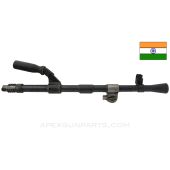
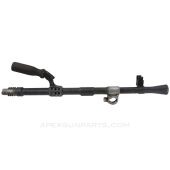
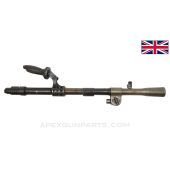
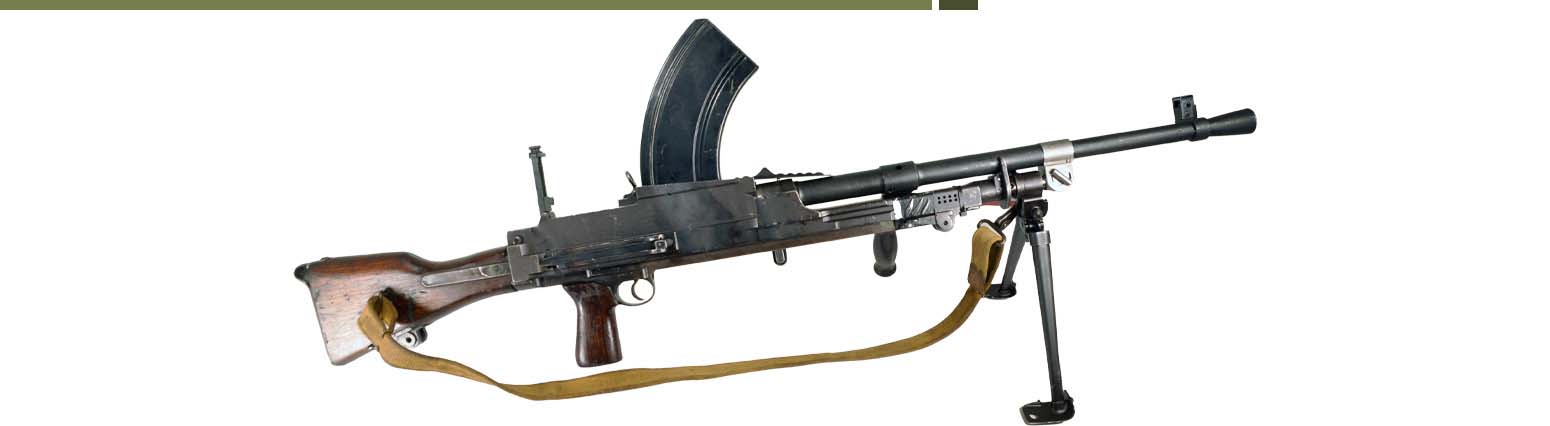
The Bren light machine gun is one of the most iconic firearms of the 20th century, but its story actually begins in Czechoslovakia during the late 1920s. Engineers Václav Holek and his brother Emanuel developed the original design, known as the ZB vz. 26, at the Zbrojovka Brno factory. Seeking a more modern replacement for their aging Lewis guns, the British War Office conducted extensive trials in the early 1930s. After the Czech design outperformed its competitors, it was modified to fire British .303 ammunition and featured a curved top-mounted magazine to help the rimmed cartridges feed reliably. The name "Bren" was actually a portmanteau derived from the two cities involved in its creation: Brno and Enfield. Official adoption by the British Army occurred in August 1937, with mass production shifting to the Royal Small Arms Factory in Enfield, England. As World War II broke out in 1939, the Bren quickly became a favorite among soldiers for its incredible accuracy and reliability in harsh conditions. To keep up with wartime demand, production expanded globally to factories like John Inglis and Company in Canada and Lithgow Small Arms Factory in Australia. While it saw various updates, moving from the Mark I to the simplified Mark IV, it remained a staple of British infantry through the Korean War. Even after the 1950s, the design was so robust that it was converted to fire 7.62mm NATO rounds and served in the Falklands War, finally being phased out of front-line British service in 1991. |