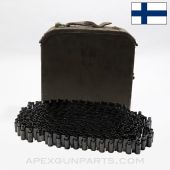
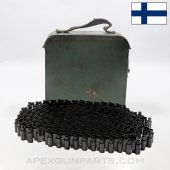
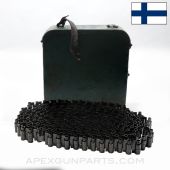
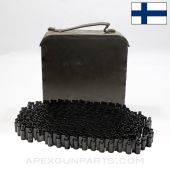
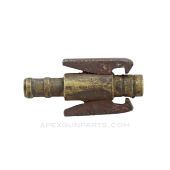
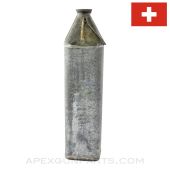
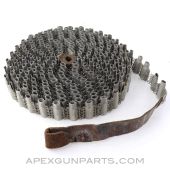
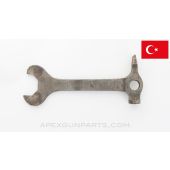
Maxim

The Maxim Gun: The Dawn of Automatic Warfare |
|
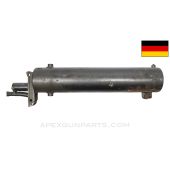
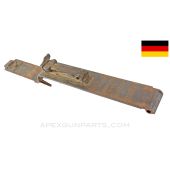
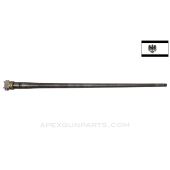
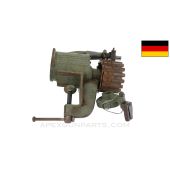
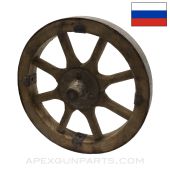
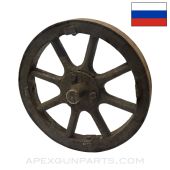
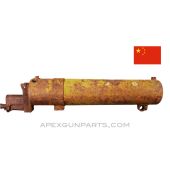
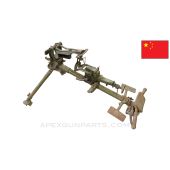
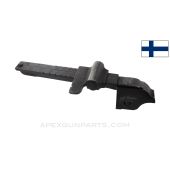
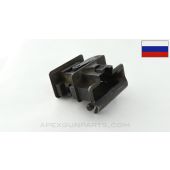
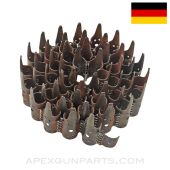
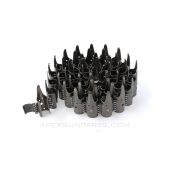
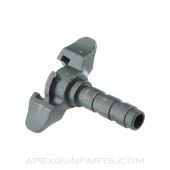
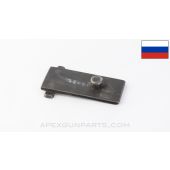
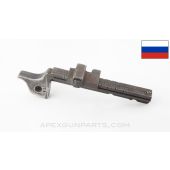
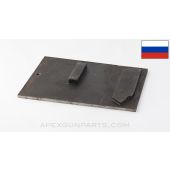
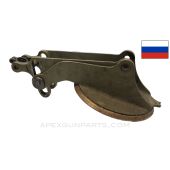
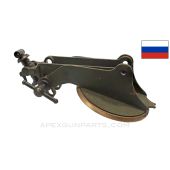
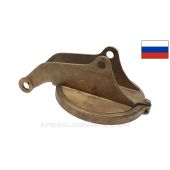
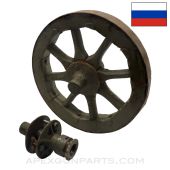
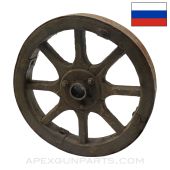
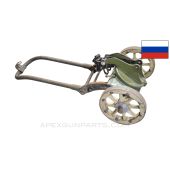
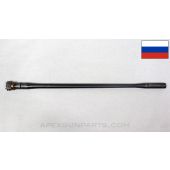
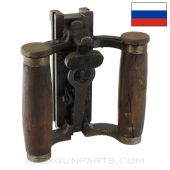
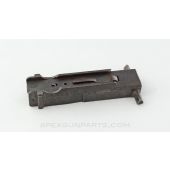
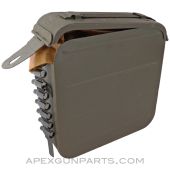
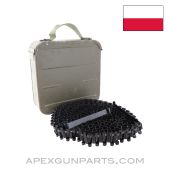
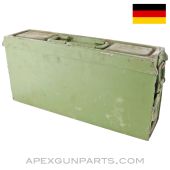
The Maxim gun was the brainchild of American born Sir Hiram Maxim, who began development in 1884 at his workshop in Hatton Garden, London. Seeking a more efficient alternative to the hand cranked Gatling gun, Maxim utilized the energy of a cartridge's recoil to power the firing cycle. This was a revolutionary concept known as "recoil operation." Production was eventually handled by the Maxim Nordenfelt Guns and Ammunition Company, which later merged with Vickers, Sons & Co. to form Vickers, Sons & Maxim. The gun was chambered in various calibers depending on the buyer, most notably the British .303, 8mm Mauser, and 7.62x54r calibers. Its signature feature was a canvas-belt feed system and a water-jacketed barrel containing roughly seven pints of water, which allowed it to sustain a cyclic rate of 500 to 600 rounds per minute without melting the barrel. Subsequently Maxim's son developed the sound suppressor as a result of his father Hiram Maxim developing deafness from machine gun fire. By the turn of the century, the Maxim had been adopted globally, leading to famous variants produced under license or through local modification. In Germany, the Spandau and DWM factories produced the MG 08, while in Russia, the Tula Arsenal manufactured the PM M1910, recognizable by its heavy wheeled Sokolov mount and armored shield. These weapons were heavy, with the gun and its tripod often exceeding 60 kg (132 lbs), requiring a multi-man crew to operate. During World War I, the Maxim’s specifications proved lethal; its water cooled system meant it could fire thousands of rounds in a single engagement, provided the crew had enough ammunition and water to refill the jacket as it boiled off into steam. The Maxim's reign began to decline as military doctrine shifted toward maneuverability and air cooling. While the British Vickers, a direct and highly refined descendant of the Maxim, served faithfully through World War II, the original 19th century design was becoming an antique. The heavy weight and the logistical burden of water cooling made it impractical for the fast-paced, "blitzkrieg" style of modern warfare. Following 1945, most nations transitioned to air cooled general purpose machine guns (GPMGs) like the FN MAG or the MG 42 derived models. By the early 1960s, even the legendary Vickers was retired from British service, finally closing the chapter on the original Maxim-pattern guns in major Western militaries. |
-
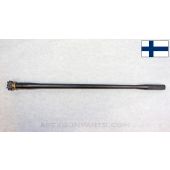
 Russian 1910 Maxim Partial Display Gun, Brass Display Water Jacket, w/ Live Finnish Barrel, 28.25", 7.62x54R *Fair*Special Price $339.95 Regular Price $499.00
 -